Intrepid’s newest Women’s Expeditions are centring women’s voices and dismantling gender barriers in Bhutan, Peru and Cambodia.
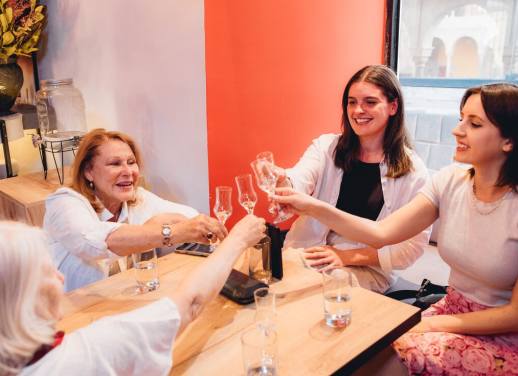
Something powerful happens when women gather. Maybe it’s the sense of safety and support that lets you drop your guard and take up more space. Or the feeling of being connected by a singular thread of shared understanding. It’s one of the many reasons Intrepid’s Women’s Expeditions are so special.
Originally launched in 2018, these adventures are designed to centre local women and support women-owned businesses around the world by revealing the everyday lives of inspiring entrepreneurs, chefs, artisans, rickshaw drivers and rug weavers, all steered by Intrepid’s female trip leaders.
By connecting you with musicians in Morocco or refugee-turned-momo-makers in Nepal, these trips aim to spark important conversations about gender equality. And this style of travel is resonating. In 2025, the number of travellers on Intrepid’s Women’s Expeditions increased by 32%, with 77% joining solo.
So, what’s in store for 2026’s three new Women’s Expeditions in Bhutan, Peru and Cambodia? Let’s discover the ways they’re helping create ripples of change.


Letting women lead the way
In many parts of the world, entrenched gender roles continue to shape perceptions of ‘acceptable’ work for men and women. Men generally have more opportunities in technical, high-risk and leadership roles – when it comes to travel, this is especially true of guiding. Meanwhile, women are over-represented in the informal economy – that is, work that is not formally registered or regulated, and therefore without social protection or security. Often women are expected to work in service or caregiving jobs – on top of carrying the lion’s share of unpaid household labour.
For example, in Cambodia, it’s rare to see women behind the handlebars of a remork (the local take on a tuk-tuk). On the new Women’s Expedition, however, you’ll meet the women quite literally shifting the gears on equality. Join a guide from social enterprise Driver Srey for a three-wheeled tour around the ancient Angkor Wat temple complex and sizzling street-food markets of Siem Reap. By training and hiring more female drivers, the non-profit supports widows, single mothers and other marginalised women to achieve financial independence while also offering safer rides to female passengers.
Women are shattering stereotypes in the mountains too. In Peru, leading treks and hauling heavy camping gear is traditionally men’s work. But on Intrepid’s new trip, you’ll join an all-female crew on a hike to the well-preserved Inca fortress of Pumamarca, learning about their lives, triumphs and challenges as you stride past hillside farming terraces, Quechua villages and crinkled Andean peaks.
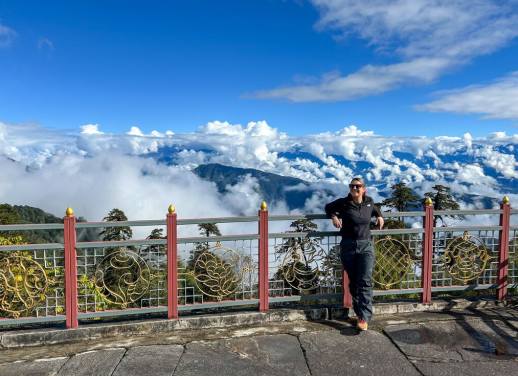
Or head to Bhutan to ground yourself with a sound bath in the pine forests of Bumthang Valley and climb to the sacred Paro Taktsang (Tiger’s Nest Monastery) alongside guides and porters who’ve overcome social stigma to pursue mountaineering careers.
Read more: Meet the refugee-turned-momo-maker in Nepal


Showcasing women’s stories
Around the world, most recorded history has been written and remembered through a male lens. As a result, countless women’s stories have been lost, which is why it’s important to shine a light on those that remain in the shadows.
On the new Cambodia expedition, join a woman-led tour of the Tuol Sleng Genocide Museum and Choeung Ek Killing Fields to uncover the harrowing history of the Khmer Rouge regime, which claimed approximately two million lives from 1975 to 1979. Women worked in resistance groups and transported supplies to guerrilla frontlines, enduring unimaginable suffering and later playing a crucial role in rebuilding the country.
The nuns at Bhutan’s view-blessed Sangchhen Dorji Lhuendrup Lhakhang nunnery, overlooking the Punakha valley, haven’t let gender barriers get in their way either. Over tea and snacks, chat with some of the 120 residents to learn about their deeply dedicated spiritual life and what a typical day studying traditional Buddhist teachings entails.
Women are also safeguarding cherished traditions in Peru. On the new expedition, you’ll travel through the Sacred Valley to meet a female shaman who’ll guide you through an Andean healing ceremony. Using coca leaves, seeds, wine and other ceremonial tools that have been passed down through the generations, it’s an opportunity to thank Pachamama, or Mother Earth, and cleanse the spirit.


Visiting organisations that support women
Women and girls account for 54% of the 50 million people trapped in modern slavery worldwide. In Phnom Penh, Daughters of Cambodia works with survivors of sex trafficking, offering counselling services and vocational courses to help women start new chapters in their lives. You’ll enjoy a pamper session in their women-only spa, where women trained through the program now work as beauty and massage therapists.
Menstrual stigma and poverty also have cascading consequences. Around 500 million women globally don’t have access to period care, with many women resorting to improvised solutions like rags and leaves. In Siem Reap, join the team at community-led initiative Project G to help pack period kits for girls in rural Cambodia and learn how they’re helping students stay in school.
In Peru, women who parent solo often struggle to find work due to social stigma and childcare costs. But AMA restaurant in the Sacred Valley is on a mission to change that. An embodiment of the ‘it takes a village’ ethos, this social enterprise provides women with jobs and a nurturing space to develop new skills – while also welcoming their kids to play or do their homework. Join a chocolate workshop with a mother of four and hear her journey of overcoming adversity as you turn cacao beans into delicious treats.
Read more: Go behind the scenes at AMA restaurant in Peru’s Sacred Valley


Backing women-owned businesses
Research shows that investing in women’s economic empowerment has a knock-on effect for improving poverty, health and education outcomes for entire communities.
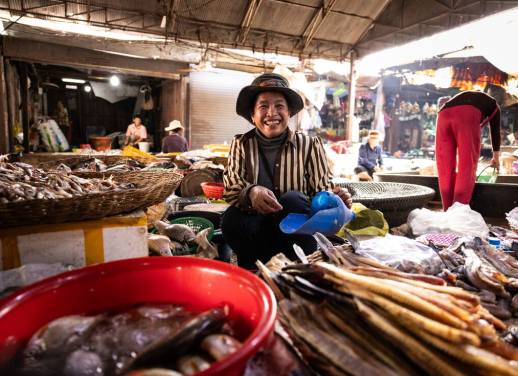
At Nuna Raymi, an award-winning, women-owned restaurant in Cusco, you’ll dig into creative spins on Peruvian favourites – think cuy (guinea pig) nuggets, trout ceviche and chimichurri quinoa. Owner Rocio Zuniga sources all produce from organic family farms and farmers who are preserving ancestral varieties of potato, corn and other indigenous crops, celebrating Peru’s culinary roots while promoting fair trade and regenerative gastronomy. You’ll also meet some of the main-character women of Cusco’s markets. Stop by a local juice vendor to hear her story of resilience and how her entrepreneurship has allowed her to educate her children.
Thimphu Tower Hotel in the Bhutanese mountain town of Paro is also making waves. Owner Tshering Wangmo transformed her family home into a hotel, inspired by her own struggle with not being taken seriously in the hospitality industry, and today, she’s committed to hiring single mothers who don’t have formal training.
You’ll also experience Bhutanese traditions at Tshering Farmhouse, a female-owned, multi-generational homestay. Here, you’ll connect with your hosts as you distill your own Ara (a fermented grain-based spirit that tastes a bit like Japanese sake) before unwinding with an authentic hot-stone bath.


Centring women artisans and their crafts
Traditional textiles take on a whole new meaning when you meet the talented makers working behind the seams. Besides, who doesn’t want to take home a souvenir that also supports women’s livelihoods?
In Cambodia, the invasive water hyacinth is choking the waterways of Tonle Sap – Southeast Asia’s largest freshwater lake – and wreaking havoc on the local aquatic life and fishermen. But the women at Rokhak Women Handicraft Centre are turning pests into profit by harvesting the hyacinth to make bags and rugs. Watch them flatten, twirl and knot the fibres into place before sitting down to make your own basket.
But textiles aren’t just physical mementos, they also hold centuries of cultural stories. In Bumthang, the spiritual heartland of Bhutan, meet some of the talented custodians of yathra (a handwoven textile made from sheep and yak wool) that’s traditionally passed down from mother to daughter. Listen to the rhythmic clatter of backstrap looms as the women weave yarn into intricately designed rugs, throws and cushions inspired by the surrounding Himalayas.
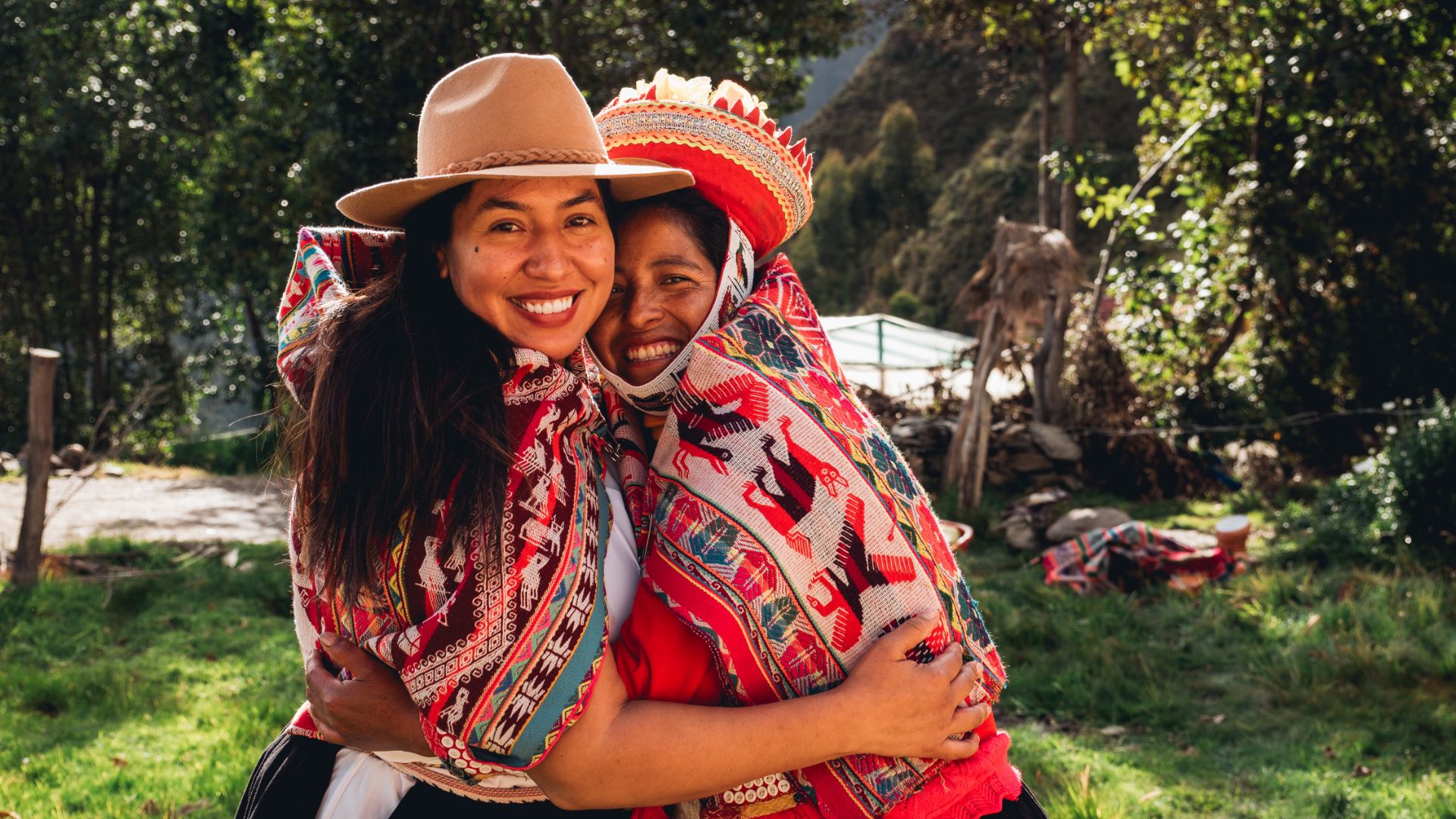
Or sit down with the Ocutuan women in the Andean highlands for a bracelet-making workshop using ancient Inca-weaving techniques. Learn which plants they use to hand-dye alpaca wool before twisting the yarn into shape yourself, under the watchful eyes of your hosts. You’ll leave with a meaningful keepsake and an intimate glimpse into everyday life of women in the community.
Join one of Intrepid’s new Women’s Expeditions to Bhutan, Peru and Cambodia.